Is Digital Fine Art Inspired by Cellular Biology the Next Art Trend?
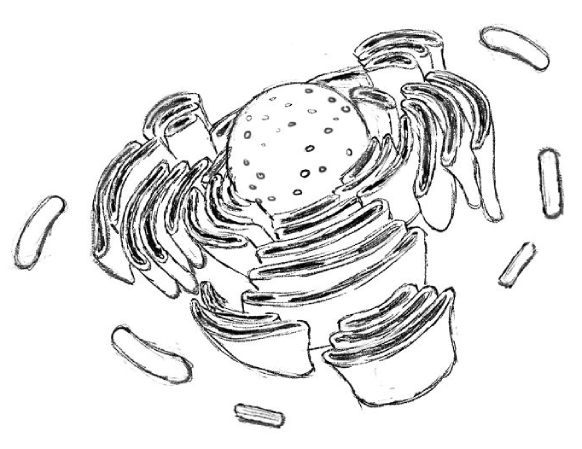
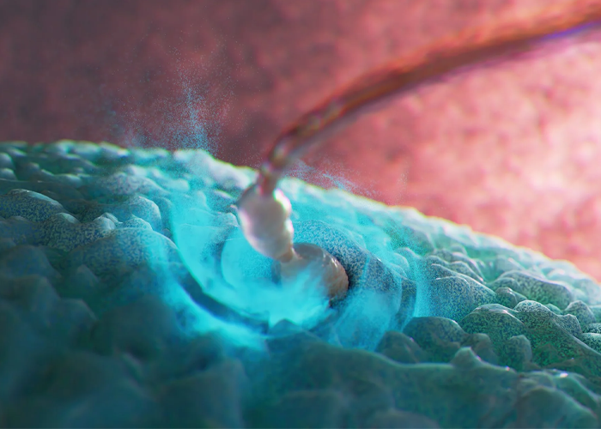
Digital fine art inspired by cellular biology is a modern art movement where creators turn microscopic biological structures into immersive visual art. This unique style connects detailed scientific visualization with abstract fine art. It is currently emerging as a major art trend because modern collectors want artwork that offers both visual calm and deep biological meaning. By showing the hidden patterns of our bodies as beautiful, cinematic environments, these digital works help viewers connect with the quiet wonder of living systems.
The Rise of Digital Fine Art Inspired by Cellular Biology
Today, the art world is changing. Art collectors want more than traditional landscape paintings or simple abstract forms. They are looking for deeper meaning, emotional weight, and modern relevance. This search has led directly to a rising interest in digital fine art inspired by cellular biology. This movement brings scientific curiosity and digital technology together in a completely new way.
Instead of looking outward at mountains or stars, this style invites us to look inward at the basic structures of life itself. According to industry reports by Coherent Market Insights, the global digital artwork market is valued at 6.82 billion dollars in 2026. The market is projected to grow to over 21 billion dollars by 2033, expanding at a compound annual growth rate of 17.5 percent. This fast growth shows that art collectors are shifting their attention to digital mediums that offer unique, spatial experiences.
This artistic style does not merely copy medical diagrams. Instead, it uses actual biological shapes as a starting point. By adding depth, glowing light, and soft color, artists turn cold facts into poetic spaces. These spaces feel both comforting and mysterious, offering a rare moment of peace in a fast-moving world.
How a Digital Artist Exploring Cellular Structures Creates Visual Magic
To build these deep visual experiences, an artist must possess a unique blend of scientific knowledge and artistic skill. A digital artist exploring cellular structures starts with authentic microscopic imagery or anatomical data. However, their ultimate goal is not to instruct the viewer. Their goal is to inspire them.
By using advanced 3D modeling and rendering software, the artist builds complex biological shapes. They then sculpt form, color, and light with incredible precision. This detailed process transforms scientific realities into warm, atmospheric landscapes.
At Cellular Landscapes, Craig Zuckerman draws on his professional background in medical illustration and animation to create his pieces. His fine art practice marks a deliberate shift from clinical visualization to autonomous fine art. He uses science as a creative framework rather than a rigid rulebook. Here is how this creative transition takes place:
- Generative Frameworks: The artist uses cell membranes, proteins, and scientific shapes as a starting structure.
- Atmospheric Lighting: Light is used as a physical force to build deep, dimensional spaces.
- Psychological Colors: Color palettes are chosen carefully to evoke feelings of calm, curiosity, and wonder.
- Physical Presence: The digital files are printed as limited-edition archival pigment prints on aluminum and plexiglass to capture real luminosity and spatial presence.
This meticulous process ensures that each piece acts as a bridge between the physical body and the abstract mind. The result is a stunning work of art that feels completely at home in any modern room or gallery space.
Why Modern Collectors Are Drawn to Biophilic SciArt
Human beings have a natural biological connection to nature. This biological connection is called biophilia. While we usually think of biophilia as plants and forests, our connection to the microscopic world inside us is just as powerful. Modern collectors love this cellular art style because it offers a deep sense of grounding.
During a time when technology can feel cold and artificial, this movement brings an organic touch to digital tools. It reframes the interior of the human body as a vast landscape of wonder and serenity. When an artist enlarges a microscopic system into a large-format print, it completely shifts our perspective. We are invited to step inside the unseen.
This work also addresses a growing modern need for mental wellness. The flowing, organic shapes of lipid membranes, synaptic pulses, or stem cells provide a soothing visual rhythm. It is a form of art that is intellectually interesting yet emotionally calming.
Furthermore, these prints are highly versatile. Because they are produced on high-quality materials like aluminum and plexiglass, they interact beautifully with the lighting of any room. This physical durability makes them highly valued assets for modern residential and corporate spaces alike.
Conclusion: The Future of Biophilic Art
The intersection of science and technology is opening new doors for modern art collectors. As daily life becomes increasingly digital, people are seeking a deeper connection to the natural world. This artistic movement satisfies that need by transforming the microscopic elements of our bodies into vast, peaceful spaces.
Through Cellular Landscapes, Craig Zuckerman proves that science does not have to feel cold or clinical. Instead, it can serve as a source of profound emotional comfort and visual wonder. By bringing these organic patterns into our homes and offices, we create environments that support both mental wellness and aesthetic beauty.
As digital fine art inspired by cellular biology continues to grow, it is clear that the next great art trend is not just about looking at the world around us. It is about appreciating the beautiful, complex life systems that thrive within us.
Get in Touch
If you want to explore this exciting new trend or add a piece of biophilic wonder to your collection, we invite you to view the current collections.
FAQ
- What is digital fine art inspired by cellular biology?
This art style takes real microscopic structures, such as proteins and cells, and turns them into beautiful digital landscapes. Instead of showing clinical facts, the artist creates a poetic and abstract space. The final artwork offers a moment of quiet reflection and wonder.
- Who is the digital artist exploring cellular structures at Cellular Landscapes?
Craig Zuckerman is the professional digital artist exploring cellular structures behind these works. He uses his extensive background in professional medical illustration and 3D animation to create autonomous fine art. His practice moves past scientific diagrams to build immersive, luminous environments that explore the boundary of science and art.
- How are these unique cellular art prints produced physically?
These digital works are produced as limited-edition archival pigment prints on aluminum and plexiglass. This method ensures lasting durability, deep colors, and a modern physical presence. The materials interact beautifully with the light in your home, making the artwork look luminous and alive.
- Why is biological art becoming a major modern trend?
Modern art collectors want artwork that connects deeply with life and science. This trend combines technology with organic shapes to meet that need. It brings a sense of wellness and calm to modern spaces, making it highly valued by first-time buyers and established collectors.
- Are these fine art prints limited editions?
Yes, each artwork is printed in strict, limited-edition numbers to preserve its value and uniqueness. Every print on metal or acrylic is personally reviewed and approved to ensure the highest gallery quality before it is delivered to your home or corporate office.