What Hidden Worlds Await Inside Immersive Microscopic Digital Art?
Immersive microscopic digital art is a style of contemporary fine art that takes the hidden architecture of human anatomy and transforms it into expansive, breathtaking visual landscapes. By combining four decades of medical illustration expertise with cutting-edge 3D digital modeling, this unique form of biological abstraction art reveals the emotional and spiritual beauty of life at a cellular level. Interior designers, art collectors, and wellness space planners use these pieces to create serene rooms, foster a connection to nature, and spark meaningful conversations in modern homes and offices.
Why Does Biological Abstraction Art Feel So Good in Our Everyday Rooms?
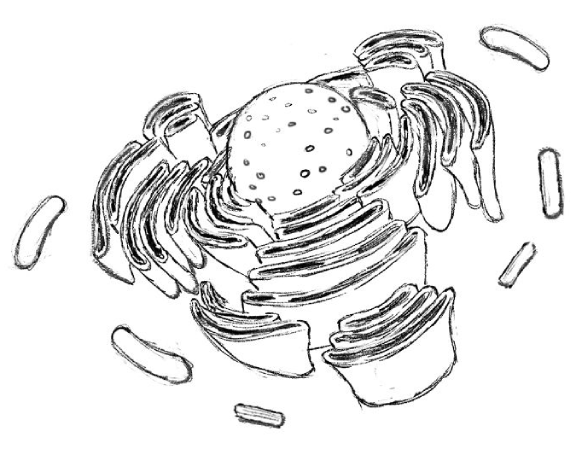
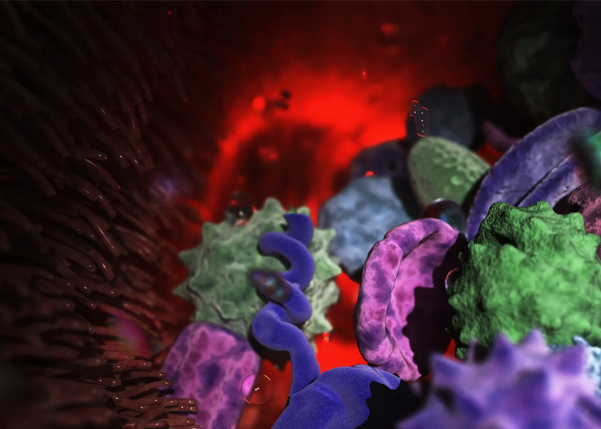
At its core, biological abstraction art shares a profound truth: the intricate patterns that sustain life are already within us. Artist Craig Zuckerman explores this hidden world, drawing on a 40-year career as a medical illustrator and animator, as well as a lifelong fascination with human anatomy sparked during his childhood, to turn microscopic structures into expansive fine art. Rather than producing clinical diagrams, Cellular Landscapes uses anatomy as a starting point to evoke how life feels. Using advanced 3D software, Craig sculpts cellular structures into majestic vistas of immersive microscopic digital art filled with balanced composition, intentional lighting, and quiet energy.
Modern interiors often feel sterile because smooth steel, sharp architectural lines, and vast glass windows dominate contemporary design. While indoor plants and natural stones help soften these environments, biological abstraction art goes deeper by connecting viewers directly to the organic forms of human life. When you stand before a piece like Luminous Currents or Lipid Membranes, the imagery feels both deeply familiar and full of wonder. Soft cell walls and flowing contours make minimalist rooms feel warm and grounded without adding visual clutter.
Many people spend their days inside boxy rooms with rigid geometry, which can leave us feeling fatigued or disconnected from the natural world. Bringing biological abstraction art into a space builds a gentle bridge between human biology and modern architecture. The artwork acts as a window into an unseen world, drawing the eye into rich layers of light and form. Rather than overwhelming a room, it anchors the atmosphere with harmony and invites visitors to pause, reflect, and ask questions about the hidden beauty of life.
How Can Immersive Microscopic Digital Art Help People Feel Calm in Modern Rooms?
Great art does more than fill an empty wall; it shifts the emotional tone of a room. The organic curves found inside living cells help rest the human eye and mind by counterbalancing sharp architectural corners with smooth, rhythmic geometry. Scientific research supports this restorative effect, as studies published by the National Center for Biotechnology Information (NCBI) indicate that viewing natural, organic patterns can significantly reduce stress levels. Multi-layered 3D vistas of immersive microscopic digital art reveal subtle textures and lighting nuances every time you look at them, fostering a quiet, meditative atmosphere.
Furthermore, these pieces pair effortlessly with indoor greenery, water features, and natural wood tones. Because every print can be tailored in color saturation, ranging from vivid, luminous hues to soft, subdued pastel palettes, they adapt seamlessly to custom designs for healthcare waiting rooms, tranquil wellness spas, and focused home offices.
Creating a restful environment is especially vital in high-stress settings. In medical facilities, patient suites, and busy corporate offices, visual surroundings directly influence how people unwind. Traditional decor can sometimes feel static or uninspired, whereas immersive microscopic digital art offers a fresh perspective that feels both cutting-edge and deeply human. The gentle ebb and flow of biological forms subtly mirror the cadence of breathing and a steady heartbeat, encouraging the body to slow down. Designers dedicated to building restorative interiors frequently choose biological abstraction art because it radiates a calm, enduring presence.
How Do You Put Biological Abstraction Art Into Your Own Space?
Integrating biological abstraction art into your interior involves selecting the right scale, lighting, and archival medium to complement your architecture. Cellular Landscapes offers museum-quality prints on specialized substrates chosen to enhance depth and durability:
- Plexiglass: Offers stunning optical depth and luminous clarity, making the 3D cellular lighting appear almost three-dimensional, much like peering through a high-powered lens.
- Aluminum Dibond: Provides a sleek, modern matte-to-satin finish with exceptional durability and crisp detail, ideal for contemporary spaces and bright rooms where minimizing glare is key.
- Satin Finish Photopaper: Delivers rich tonal transitions and a classic fine art gallery aesthetic suitable for custom framing.
Choosing the ideal placement depends on how a room is experienced. Large-scale pieces of immersive microscopic digital art command attention in tall entryways or above a living room sofa, while curated series of smaller works guide the eye down hallways or across executive office walls. Natural daylight moving across a Plexiglass print will bring out shifting highlights throughout the day, while warm evening accent lighting emphasizes the rich depth of Aluminum Dibond.
Color intensity is another powerful way to personalize your piece. While bold, saturated palettes create a dramatic focal point, prints can be modified in terms of color saturation to match your personal taste and interior design. If you are curating a peaceful bedroom, reading nook, or sanctuary, you can opt for a more subdued palette or gentle pastel tones that soothe the senses. By reaching out to Craig Zuckerman directly, homeowners and designers can customize sizes, mediums, and color saturation to fit their exact vision.
Why Is Immersive Microscopic Digital Art Becoming a Top Choice for Designers?
As interior design increasingly prioritizes wellness, biophilia, and meaningful storytelling, designers are seeking artwork that offers lasting emotional resonance. Biological abstraction art stands apart by merging state-of-the-art 3D visualization with the timeless architecture of life itself. Unlike fleeting decor trends, organic cellular forms remain enduring because they reflect who we are. Designers value these collections of immersive microscopic digital art because their color saturation can be fine-tuned to harmonize effortlessly with minimalist, modern, or warm organic interiors.
Art collectors and curators also recognize the rare craftsmanship behind Craig Zuckerman’s work. Moving from a forty-year career creating complex medical animations for life sciences and healthcare into self-directed fine art, Craig brings unmatched anatomical mastery and technical precision to every composition. By using science as a foundation rather than a limitation, he creates biological abstraction art that appeals equally to art connoisseurs, design professionals, and science enthusiasts. Whether installed in a private residence, boutique hotel lobby, or integrative wellness center, Cellular Landscapes elevates the space and leaves a lasting impression on every visitor.
Connect with Cellular Landscapes
To inquire about art curation, custom color saturation, archival prints, or design partnerships:
- Brand: Cellular Landscapes
- Artist: Craig Zuckerman
- Website: https://craigzuckerman.art/
- Email: craig@craigzuckerman.art
- Phone: 914-220-2633
Frequently Asked Questions
-
What is immersive microscopic digital art?
Immersive microscopic digital art is a contemporary fine art style created by sculpting and rendering microscopic anatomical and cellular structures in 3D software. Artist Craig Zuckerman transforms these unseen biological forms into expansive, emotionally resonant landscapes for modern homes, offices, and wellness spaces.
-
How does biological abstraction art differ from basic abstract art?
While traditional abstract art relies on purely invented shapes or spontaneous brushwork, biological abstraction art uses real human anatomy and cellular structures as its point of origin, blending scientific authenticity with artistic interpretation, lighting, and emotion.
-
Can immersive microscopic digital art improve healthcare and wellness environments?
Yes. The organic curves and balanced compositions of biological abstraction art help reduce visual stress and promote a sense of calm. Because the color saturation can also be customized to softer, pastel tones, these pieces are ideal for patient rooms, medical offices, spas, and quiet rest areas.
-
Can I customize the colors or brightness of a print to match my room?
Yes! Prints can be modified in terms of color saturation to accommodate your personal preference and room palette. Whether you prefer bold, dramatic contrast or a subdued, pastel aesthetic for a restful interior, the artwork can be tailored to suit your space.
-
What archival print materials are available?
Cellular Landscapes prints on Aluminum Dibond, Plexiglass, and Satin Finish Photopaper. Plexiglass enhances depth and luminosity, Aluminum Dibond offers sleek durability and crisp architectural appeal, and Satin Finish Photopaper provides a classic fine art look ready for custom framing.
-
How can I view the gallery or commission a piece by Craig Zuckerman?
You can explore the full portfolio of immersive microscopic digital art and biological abstraction art, including collections like Luminous Currents, Inner Light, and Microscopic Worlds, and inquire about custom curation directly at https://craigzuckerman.art/.